Editorial design in the digital age: paper is more alive than ever
Paper as a strategic asset in a digitalised world
For decades, the decline of paper has been predicted. Just as —with equal lightness— the extinction of radio was once foretold. Yet both media have demonstrated their capacity for adaptation, their persistence and, above all, their emotional and cultural relevance.
Far from disappearing, paper continues to assert its place within a communicative ecosystem that is not binary, but complementary. The digital environment has not replaced the physical; it has enriched it. And if this process has taught us anything, it is that the more connected we are, the more we value what we can touch, smell and leaf through. What becomes, quite literally, an experience. What transforms into an object.
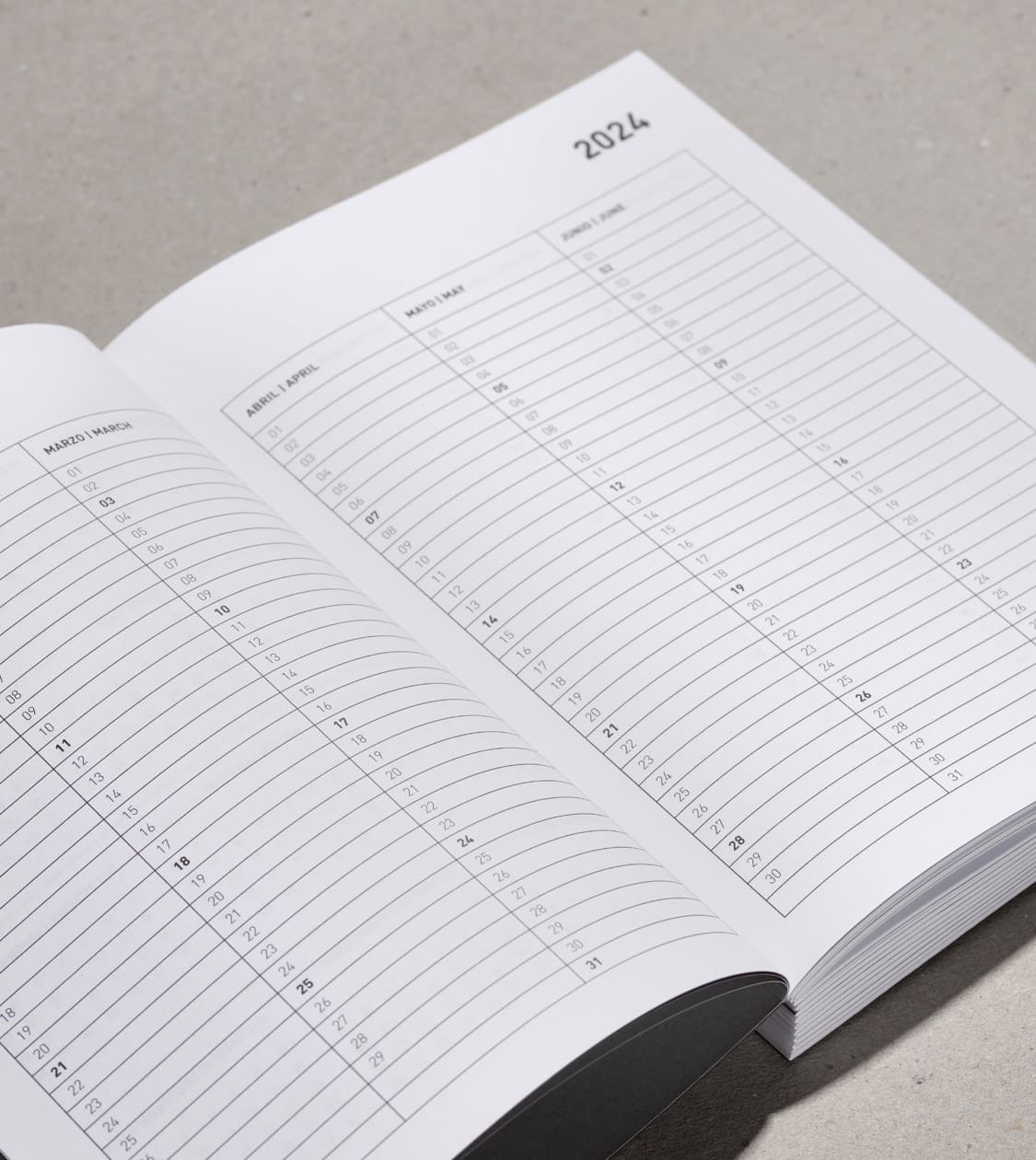
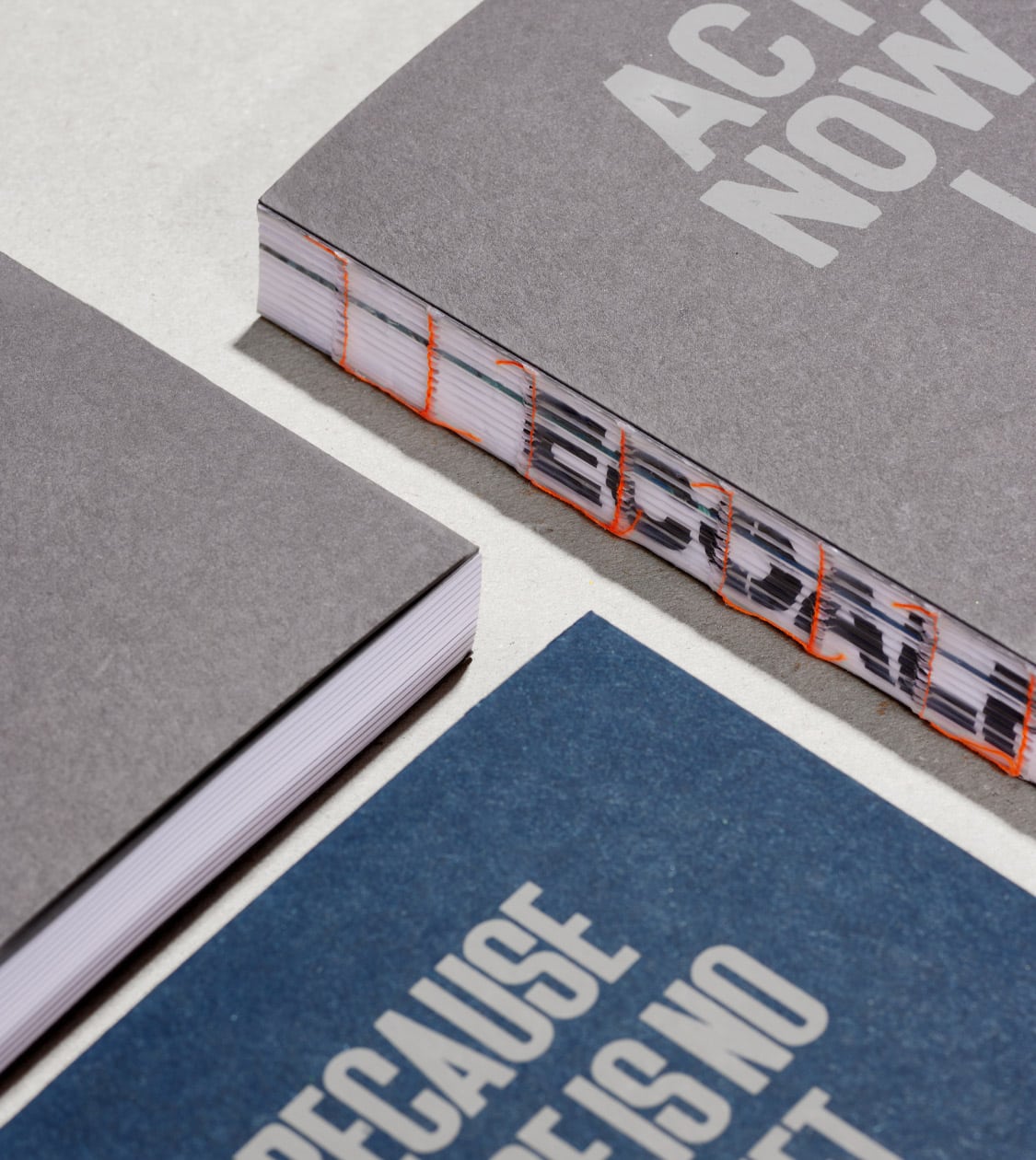
The value of the object: when editorial design communicates beyond content
This concept —the value of the object— was the central theme of one of the exhibitions proposed by ADG-FAD for the Guadalajara International Book Fair (FIL). The briefing suggested a very clear approach: to place the focus once again on the book as a physical object, as a cultural symbol with presence and weight. A piece that not only conveys information, but represents ideas, values and emotions. An object to collect, preserve and gift.
This approach was driven by Esther Agustench, then president of ADG-FAD and creative director of NOMON DESIGN, who specifically highlighted the symbolic, aesthetic and emotional dimension of the book as a cultural piece.
From this perspective, editorial design transcends its merely functional or aesthetic purpose to become an exercise in creating meaning. And it is precisely in that duality —content and container— that its communicative power resides.
Editorial design and paper: the relevance of the tangible
Editorial design is a fundamental discipline within visual communication, responsible for shaping and structuring publications such as books, magazines and catalogues. Traditionally associated with print format, this field has undergone a profound transformation with the arrival of the digital environment. However, far from disappearing, paper and digital media have found ways to coexist and complement one another, redefining brand and publishing strategies.
Although we live immersed in an age of screens, physical formats continue to hold undeniable value. Paper activates the senses, offers durability and presence, and creates a perception of quality and care that turns it into a desirable object. In a context of hyperconnectivity and accelerated consumption, the tangible gains a distinctive value. It becomes a way of slowing time down, establishing a deeper and more memorable connection with the content.
A good example is the history of the IKEA catalogue, which for decades was much more than a simple commercial tool. It became an eagerly awaited, widely consulted and widely kept piece in millions of homes. At its peak, in 2016, more than 200 million copies were printed worldwide. Its disappearance in 2020 symbolically marked the end of an era, but also highlighted the immense power paper can achieve when it becomes a cultural, emotional and everyday object.
Today, that same power lies in those catalogues, books or magazines that, beyond informing, manage to move the reader. In such cases, paper is not simply a medium, but a strategic tool that adds value, differentiation and permanence to the brand behind it.
Editorial design as a statement: Irma Boom and the editorial revolution
A key figure in the defence of paper as an object is the Dutch designer Irma Boom. Internationally recognised for transforming the book into a complete artistic experience, Boom breaks the rules of conventional editorial design to create visual artefacts that communicate through both their form and their content. Her works demonstrate that paper still has much to say in the digital age, precisely because she dares to explore its physical, formal and narrative limits.
One of her most emblematic projects is the SHV Think Book, a volume of more than 2,100 pages without an index or page numbers, conceived as a work to be discovered without a predefined order, almost like an infinite archive that the reader can inhabit at their own pace. Also iconic is her work for the cosmetics brand Chanel (Chanel N°5: Culture Chanel), where the content of the book, embossed on white paper, demands an intimate, almost tactile reading, transforming the editorial experience into something sensorial. Another example of her conceptual boldness is The Architecture of the Book, a monograph that showcases her work and which, far from being a simple compilation, is itself a statement of principles on paper as a living and experimental medium.
For Boom, editorial design is not only about presenting content, but about provoking the reader, challenging their expectations and amplifying the message through every fold, texture or visual silence. At a time when the book seemed doomed to become invisible, she has elevated it to cult object.
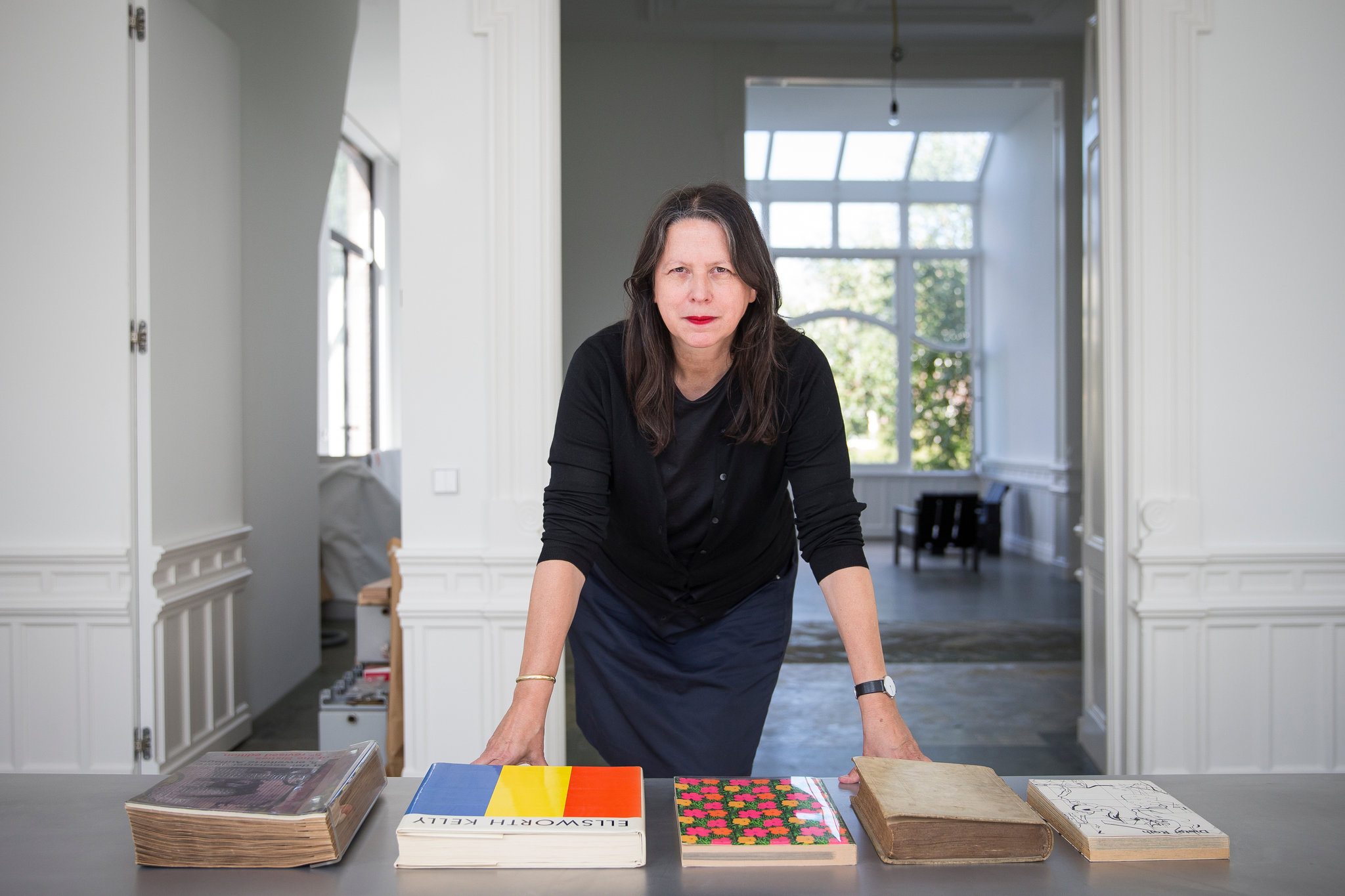
Imagen Irma Boom
https://arquine.com/solo-se-hacen-libros-para-el-futuro-conversacion-con-irma-boom/
When editorial design becomes a visual and narrative extension of branding
At NOMON DESIGN we have spent two decades demonstrating that editorial design is a strategic territory for brand building. More than 550 projects developed since 2006 support our experience, which brings together narrative, visual judgement and a profound understanding of each client’s identity, turning every piece into a coherent, memorable extension fully aligned with their branding.
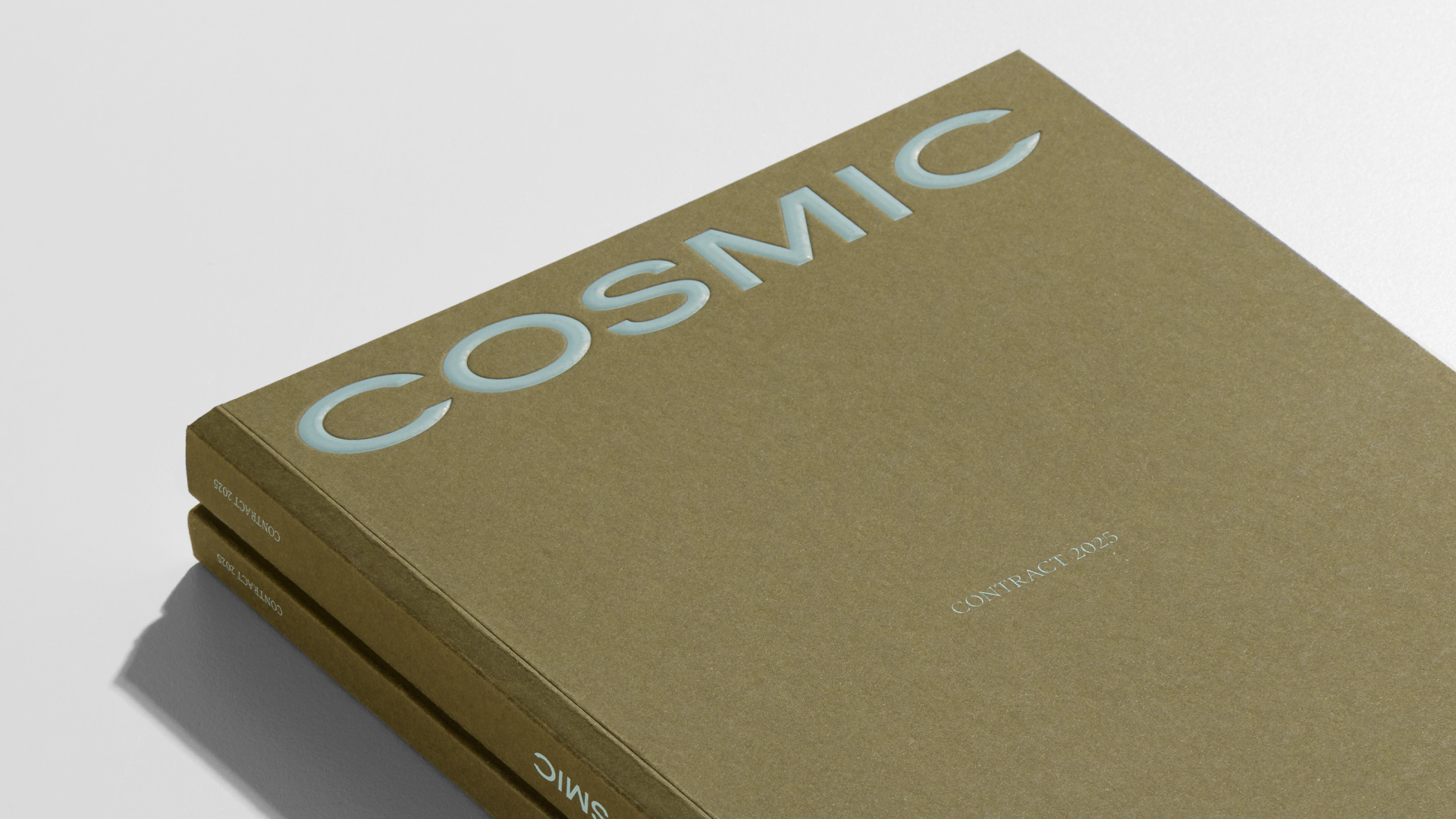
In this same direction, we have explored the expressive possibilities of editorial design on paper with Cosmic’s corporate and product catalogue, where we translated the new brand positioning into its main editorial piece.
A publication conceived as a visual and narrative extension of the Cosmic universe, with a design that integrates content, structure and materials to convey a singular identity. The use of its colour palette —strategically selected to express the Milleclectic concept— a flexible grid, the combination of techniques such as screen printing and blind embossing, and the choice of papers (Gmund Colors Matt 88 at 350 g and Arena White Smooth at 120 g) reinforce its role as a brand object.
The Athos corporate catalogue was also conceived as a piece that distances itself from the commercial to adopt a slow, almost contemplative tone, where the design guides the reader through textures, visual silences and sequences that invite observation and slow reading. More than a sales tool, it is a publication that celebrates sensitivity and time as part of the brand narrative.
Paper and digital: allies in creating experiences
The digital environment has radically transformed the way we access, share and consume editorial content. Thanks to its immediacy, versatility and constant capacity for updating, digital media allows practically instant global distribution without the costs of paper, printing or logistics. It also introduces new layers to the narrative: editorial design is no longer limited to the static, but can incorporate interactive elements, animations, videos, sound or links that enrich the experience and expand the content into other channels such as social media, online shops or content platforms. This connectivity not only amplifies reach but strengthens narrative continuity and the bond with the reader.
Today’s most effective editorial strategies are hybrid. They integrate QR codes, augmented reality or interactive links into physical publications to enrich the user experience. Paper gains value as a memorable object, while digital media offers flexibility and accessibility. Together, they form an expanded narrative that enables a more complete and dynamic relationship with content.
From a strategic perspective, the digital format does not aim to replace paper, but to extend its impact. A publication may begin as a physical object and continue in the digital space, generating parallel and personalised paths. Digital editorial design —when well conceived— facilitates intuitive navigation, adapts to different devices and allows reading at different paces. It also incorporates key accessibility features such as brightness adjustment, text resizing or voice-assisted reading. All this makes digital formats essential allies for democratising content and making it more inclusive, sustainable and dynamic. The challenge lies in finding the balance, understanding that the medium does not define the value, but the intention behind the design.
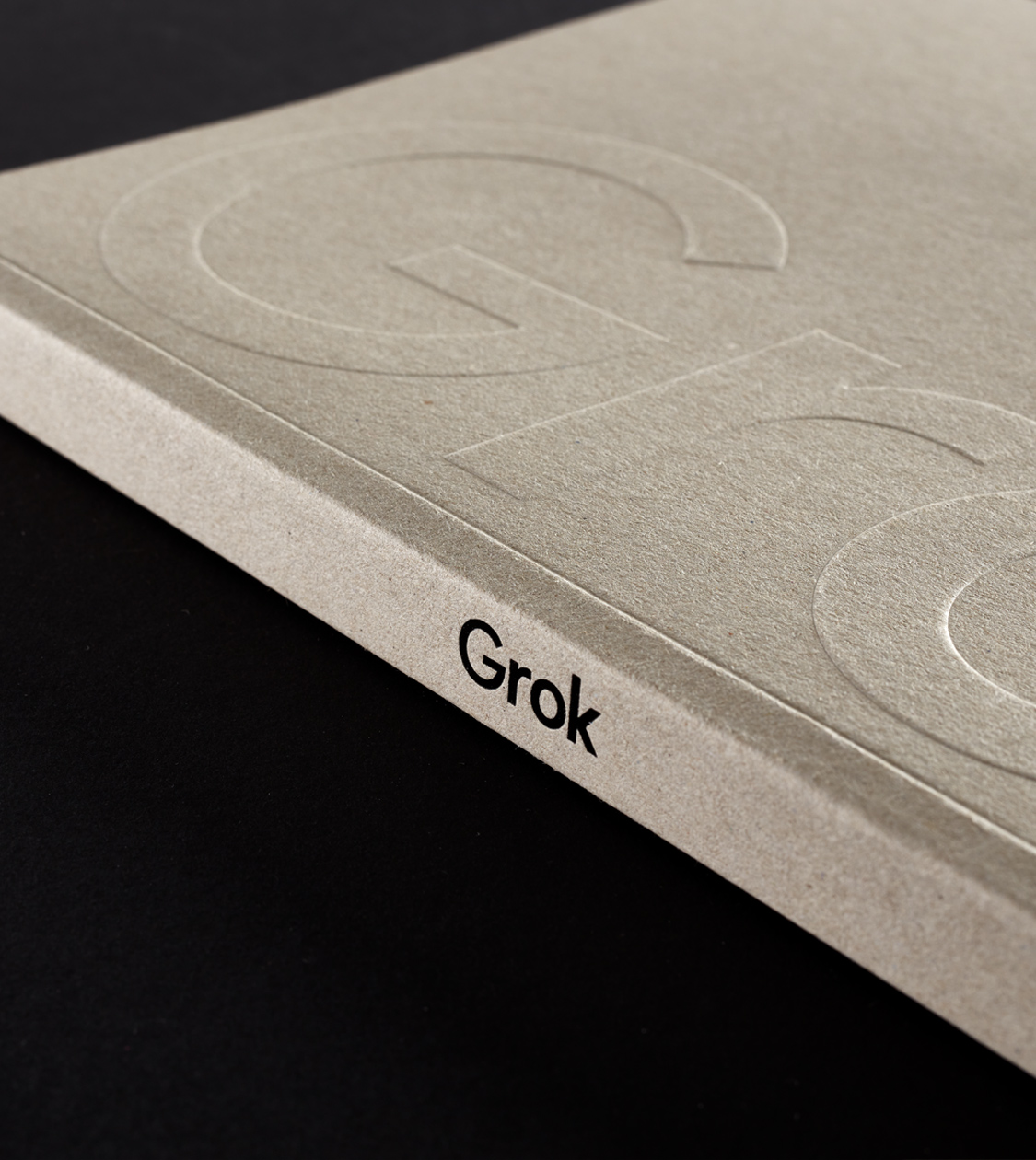

Editorial design with the soul of an object: conclusions for the present (and the future)
Editorial design today stands at the intersection between the tactile and the digital, the lasting and the ephemeral, the emotional and the functional. It is no longer simply about laying out content, but about creating experiences that converse with the reader across multiple dimensions: sight, touch, rhythm, narrative. The value of the object is not measured solely by its materiality, but by the intention behind its conception and the connection it can generate.
In a context saturated with stimuli and messages, where digital media dominates immediacy, paper reaffirms itself as the place where brands can pause time, tell stories calmly and seduce without shouting. And when both worlds —physical and digital— are understood as allies, editorial design reaches its full potential: to inform, to move, to endure. Designing with the essence of an object is, ultimately, a declaration of principles. It is a commitment to creating pieces that are not only read, but lived. Because in a hyperconnected world, what truly leaves a mark is what can be held in our hands… and also in our memory.
2025